


8 Top Tips for Adapting Your Bubble Show for Care Homes and the Elderly
Performing for care homes is a truly special experience. It’s important to adapt your show thoughtfully to meet the unique needs of elderly residents, especially those living with dementia. Here are my top tips:
1. Choose familiar music.
Use tunes that would have been popular during their youth — think 1940s, 50s, and 60s. Music is incredibly powerful for people with dementia; it’s like the “books on a bookshelf” analogy — while recent memories may fall away, older memories are often still strong and can be accessed through familiar songs.
2. Add more visual moments.
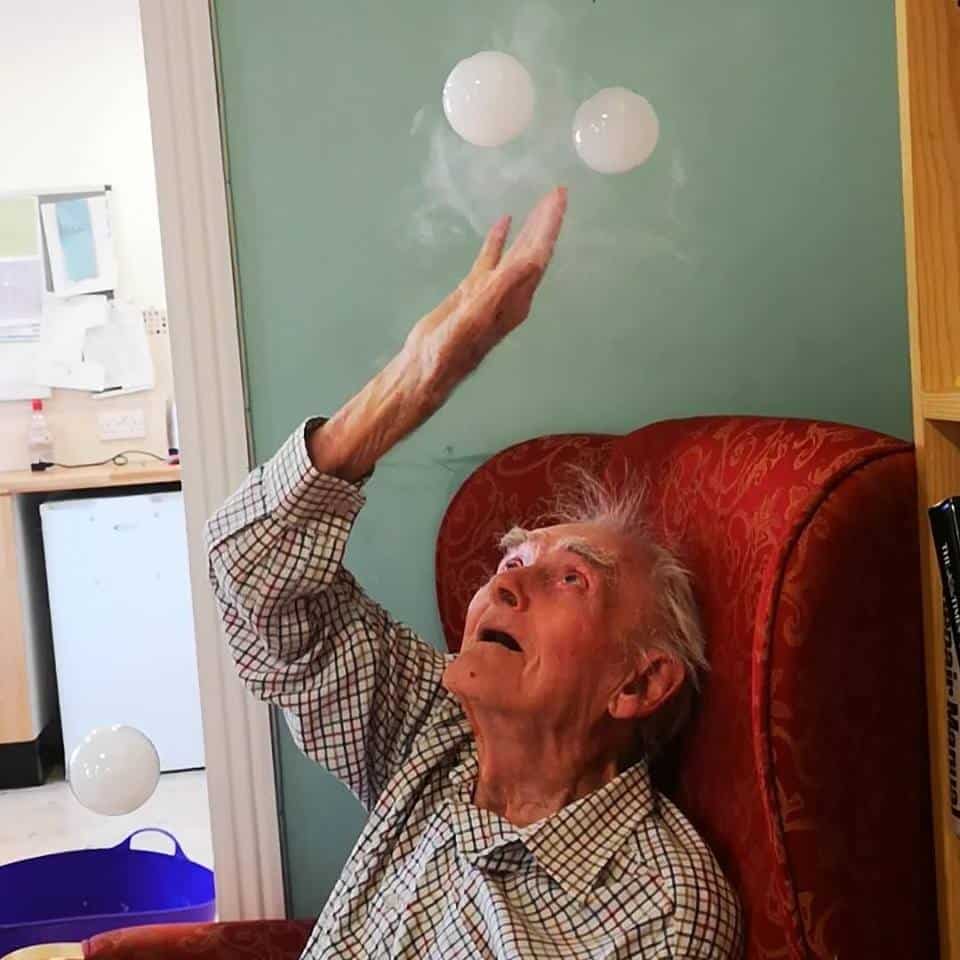
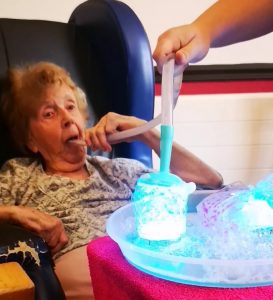
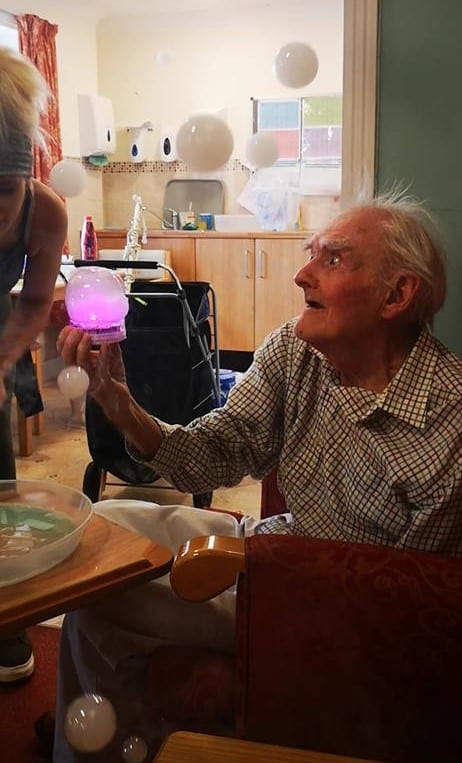
Plan for longer, slower visual routines. For example, I do a much longer light table routine at care homes compared to children’s parties. Residents love watching the gentle, glowing bubbles, and slower pacing gives them time to take it all in.
3. Keep talking simple and minimal.
Avoid complex stories, plots, or anything they need to follow too closely. Dementia can make it hard to hold onto new information or follow sequences, so keep it light, simple, and focused on the immediate moment.
4. Always ask permission and read body language.
Never force participation. Before placing a bubble over someone’s head or blowing a bubble onto their hands, always ask for permission. If they can’t answer verbally, read their body language carefully — and you can also check with their carers if you’re unsure. If the person seems hesitant, uncomfortable, or doesn’t clearly respond, it’s best to simply move on or offer a different way to include them gently.
5. Be mindful of sensory sensitivities.
Avoid overwhelming them with flashing lights, loud music, or excessive bubble machine use. Some residents may be sensitive to too much sensory input, so keep it gentle and soothing.
6. Be extra careful with trip hazards.
Many elderly people have difficulty lifting their feet high when walking, so the risk of tripping is higher. Make sure any floor protection (like tarps or mats) is taped down securely, and keep walkways clear wherever possible.
7. Use a chair for inside -a-bubble participation.
If you’re putting someone inside a bubble and they have mobility issues (whether children or adults), provide a sturdy chair so they can sit safely instead of standing. Sitting reduces the risk of falls and helps participants feel much more secure and relaxed. If you’re using the top-down method, it works beautifully in care homes — simply lower the bubble over them. If you’re using a bubble moat (hoop and tray setup), place the chair next to the moat and use a gentle rainbow motion to lift the bubble over their head. ⚠️ Important Safety Warning Always assess each situation individually. In some care homes, I may choose not to invite elderly residents to come forward due to the increased risk of falls. Even when floor protection is securely taped down, it can still pose a trip hazard. The decision will depend on each individual’s mobility, stability, and overall health condition. Safety must come first.
8. Focus on the shared joy, not big reactions.
Residents might not always react with the big, obvious excitement you see at children’s shows — and that’s completely okay! Often, the most meaningful part of a care home visit is the small moments: a smile, a laugh, or simply sharing time together. The bubbles are wonderful, but the real magic is in the connection between residents, staff, carers, and you. Trust that even quiet participants are enjoying the experience in their own way.
9. This tip is from Saby Magica
Don’t be afraid to add a bit of playful, clownish humour! For example, I deliberately “dropped” a huge pair of glasses on the floor several times, which got lots of laughs. I also brought balloons and had residents hold them — then let the balloons “accidentally” float away. These small, silly moments broke the ice, created shared laughter, and made the whole experience more joyful and memorable.
Join our email list for more tips, freebies and discounts.

A Bubble Show Video at Stokeleigh Carehome in Bristol, UK.
